
An updated Mobile Companion
Quick facts
- CPU:
- Hitachi SuperH SH3 (SH7700) 32 bit, single-core @ 60 MHz
- RAM (KB):
- 8192
- Storage (MB):
- 10
- Display:
- MSTN LCD with 640x240 resolution and 16 levels of grey
- Operating system:
- Microsoft Windows CE 2.0
- Year introduced:
- 1998
- Power source:
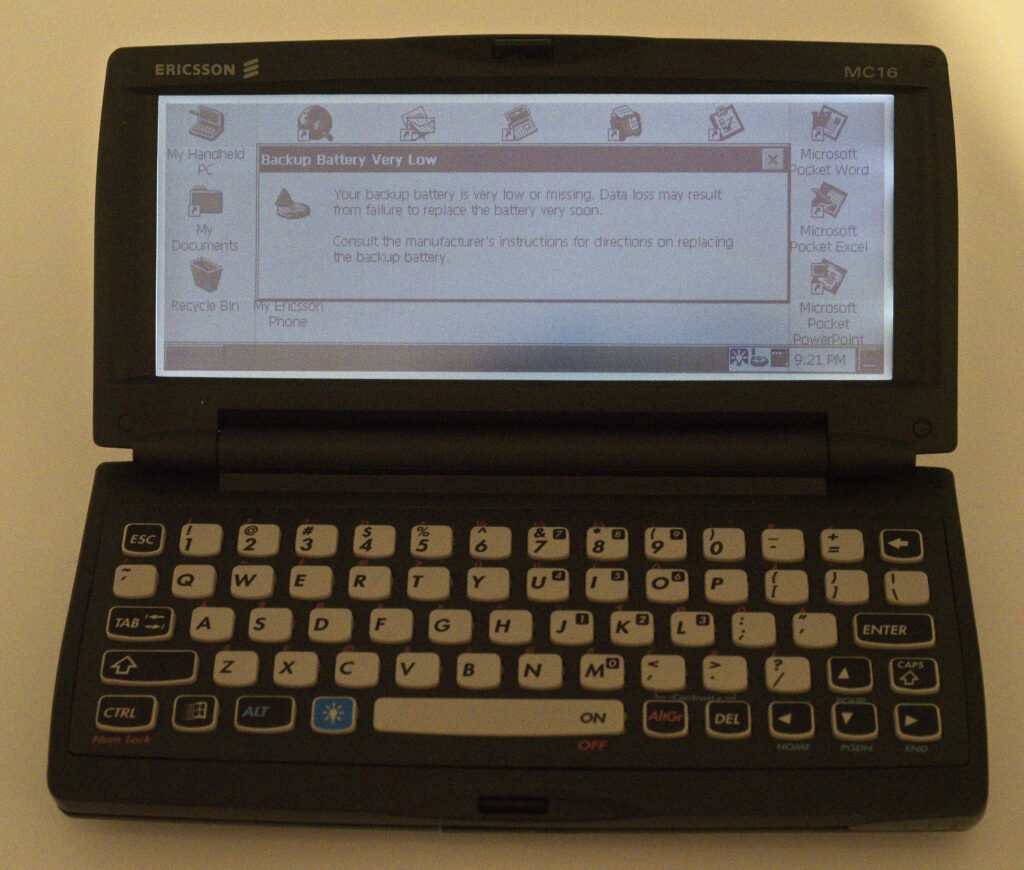
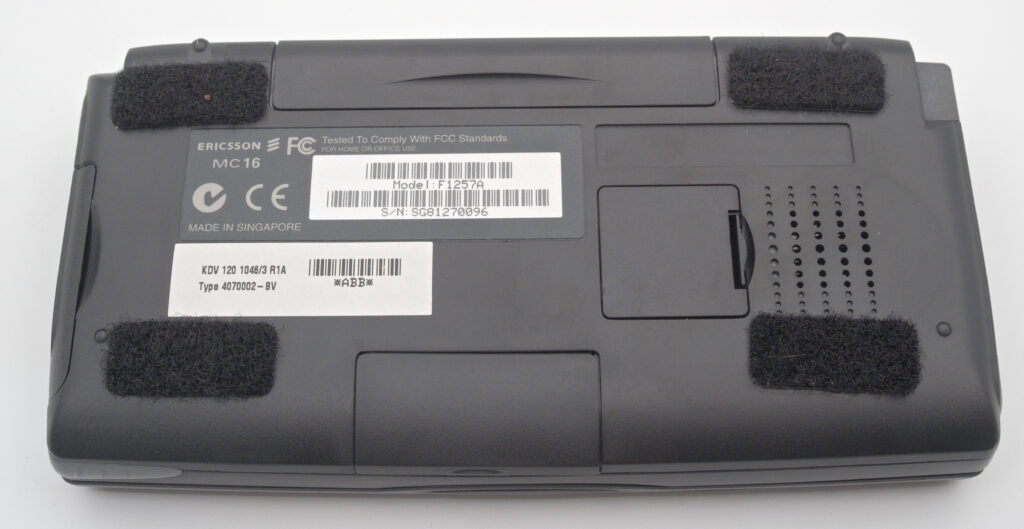
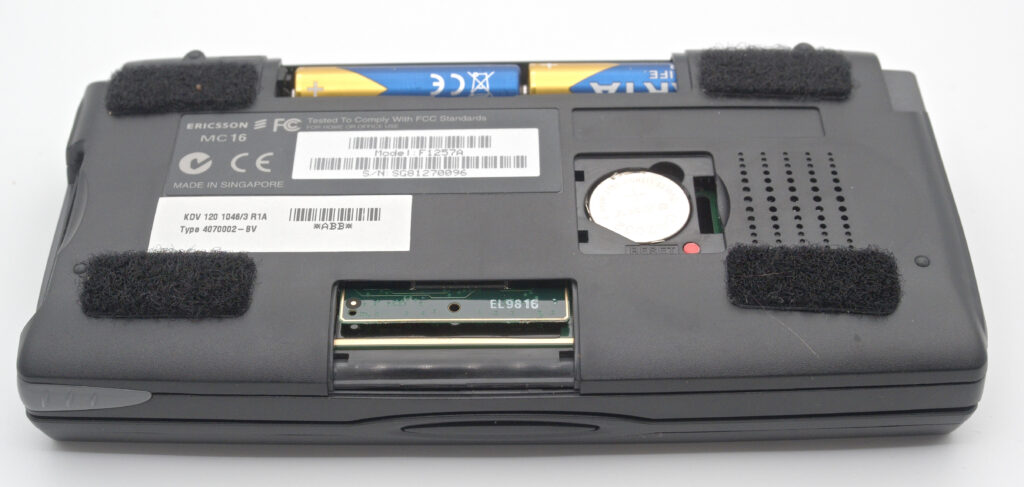
- 2 x AA-batteries and CR2032 for backup
- Connectivity:
- Serial (proprietary connector) and IrDA
- Dimensions (mm):
- 183x94x28
- Weight (g):
- 456
- Built-in apps:
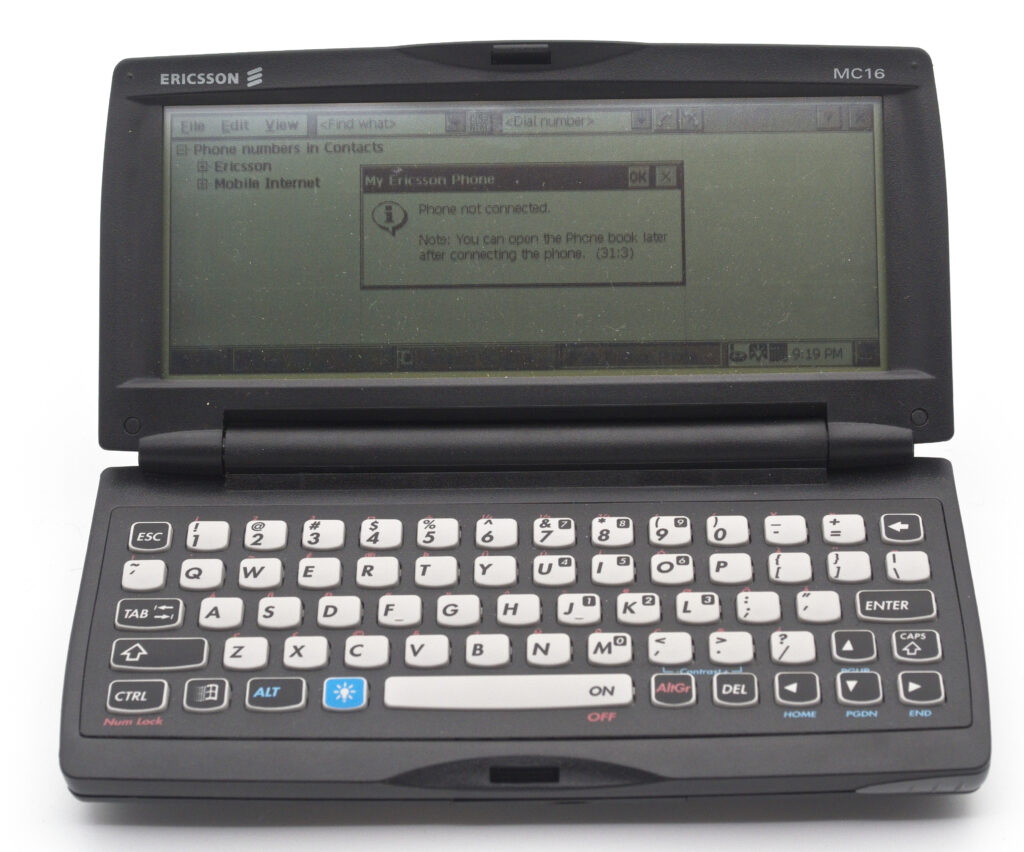
- Pocket Office, Pocket Outlook, My Ericsson Phone, Ericsson Mobile Internet
- Input method:
- Keyboard and stylus
Overview
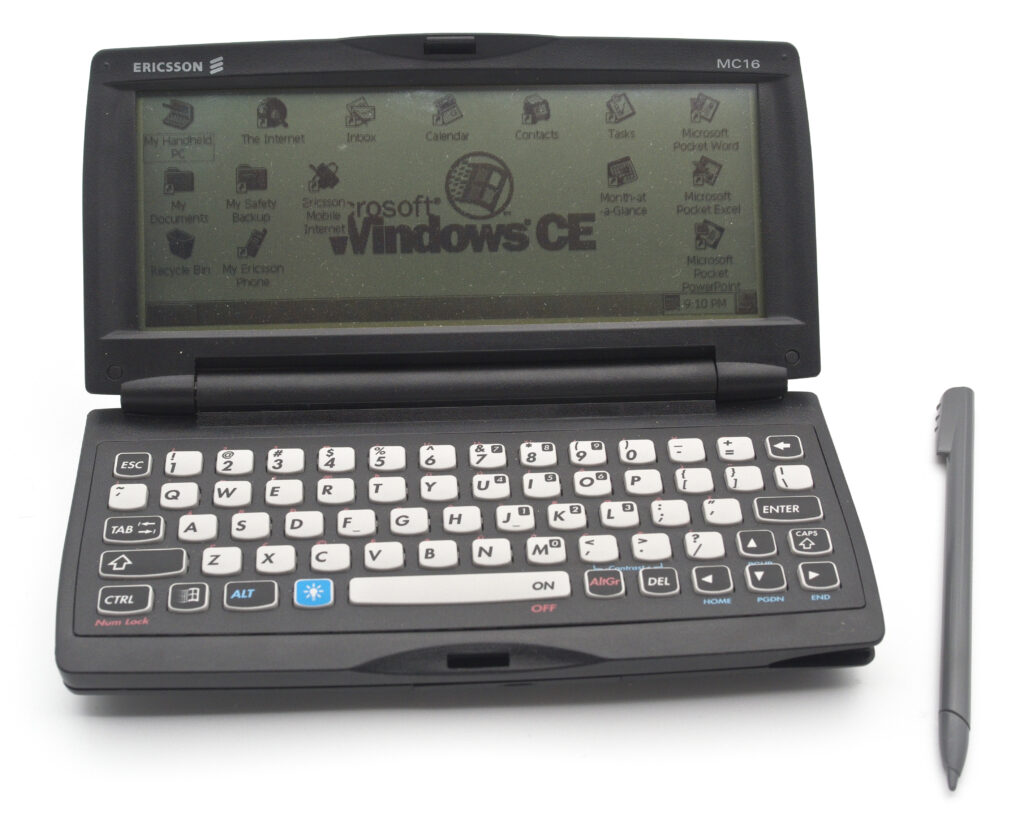
Undeterred by the limited commercial success of its first foray into the PDA market with the MC12, Ericsson decided to follow Hewlett-Packard’s lead once again. When HP released the upgraded 360LX, Ericsson followed suit with a rebranded version: the Ericsson MC16.
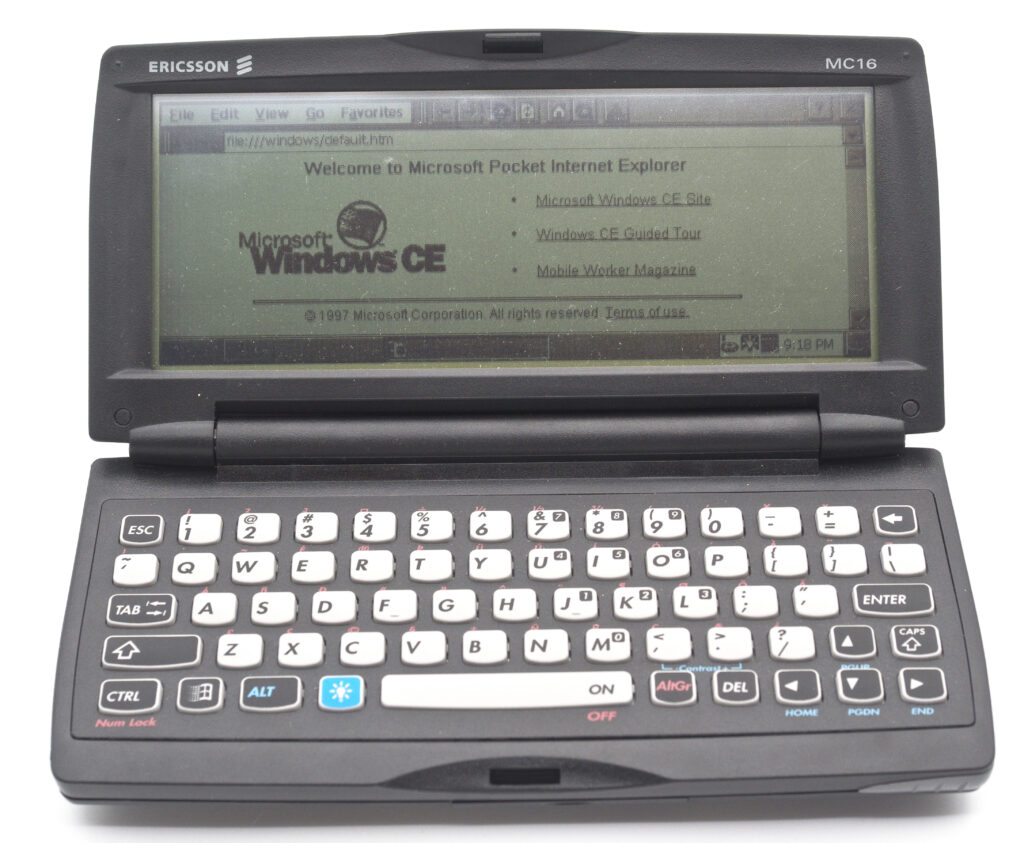
The “MC” designation stood for Mobile Companion, a name that perfectly encapsulated Ericsson’s vision. The strategy was to provide a professional partner to their GSM phones, such as the popular SH888. By connecting the two, users could access e-mail and the World Wide Web via the newly introduced Pocket Internet Explorer in Windows CE 2.0.
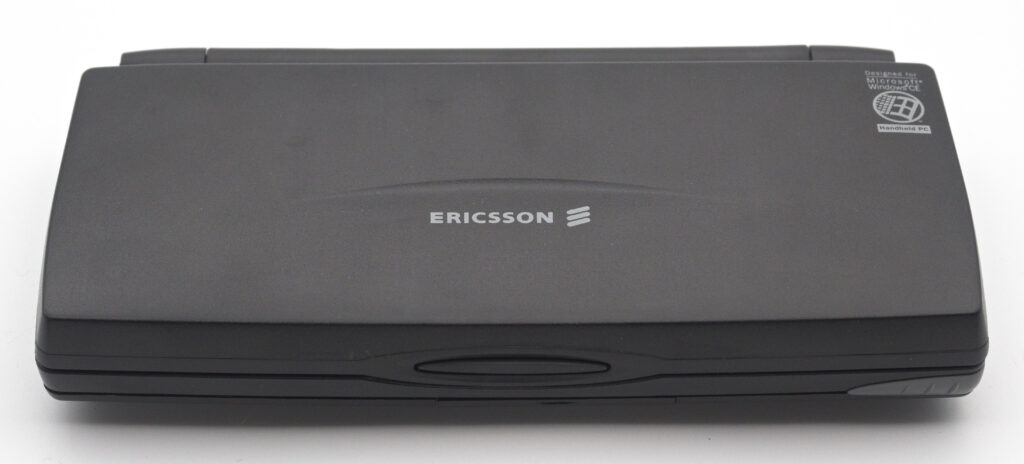
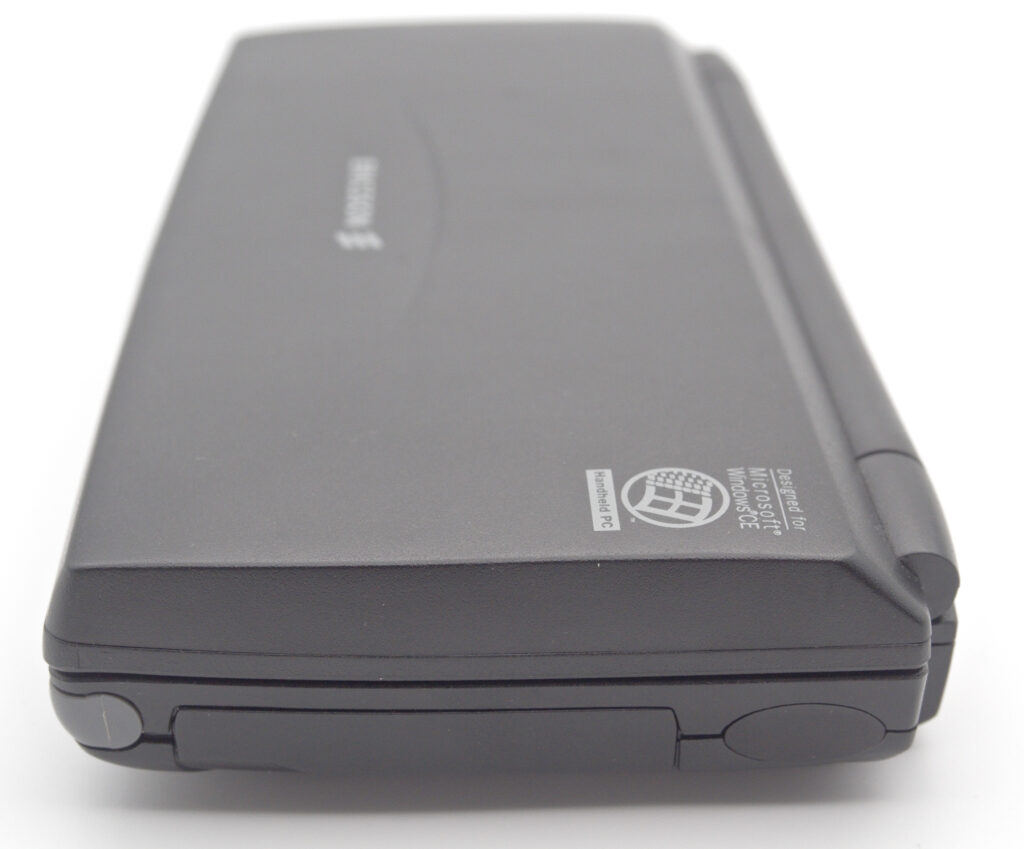
As with the previous model, Ericsson made only minor physical modifications to the original HP hardware. The most notable change was the aesthetic shift from HP’s standard grey to a more sophisticated “Ericsson-black” finish.
Hardware updates
Compared to the MC12/HP 320LX, the MC16 offered several significant hardware improvements:
- CPU: A faster Hitachi SH-3 processor running at 60 MHz (up from 44 MHz).
- Memory: RAM was doubled to 8 MB, and the ROM was increased to 10 MB.
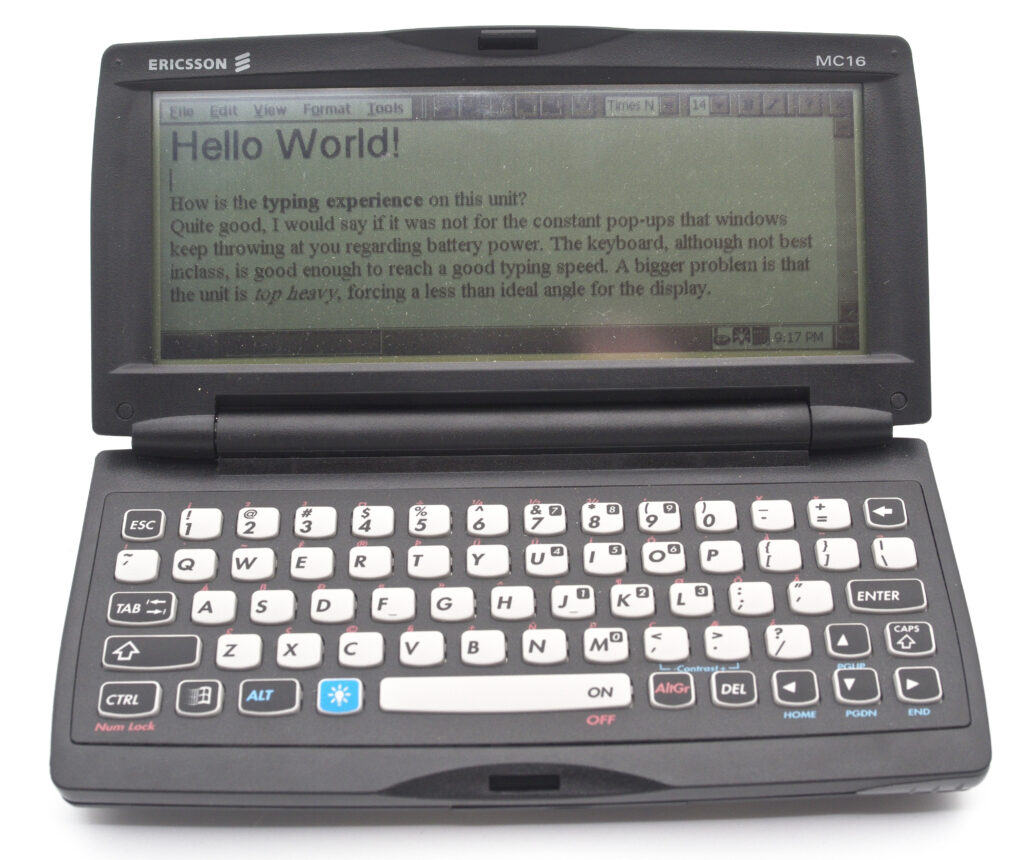
- Display: Updated to support 16 levels of grayscale (up from 4), significantly improving the visual interface.
- Backlight: The backlight was updated from the classic “Indiglo” green to a cool blue/white hue.
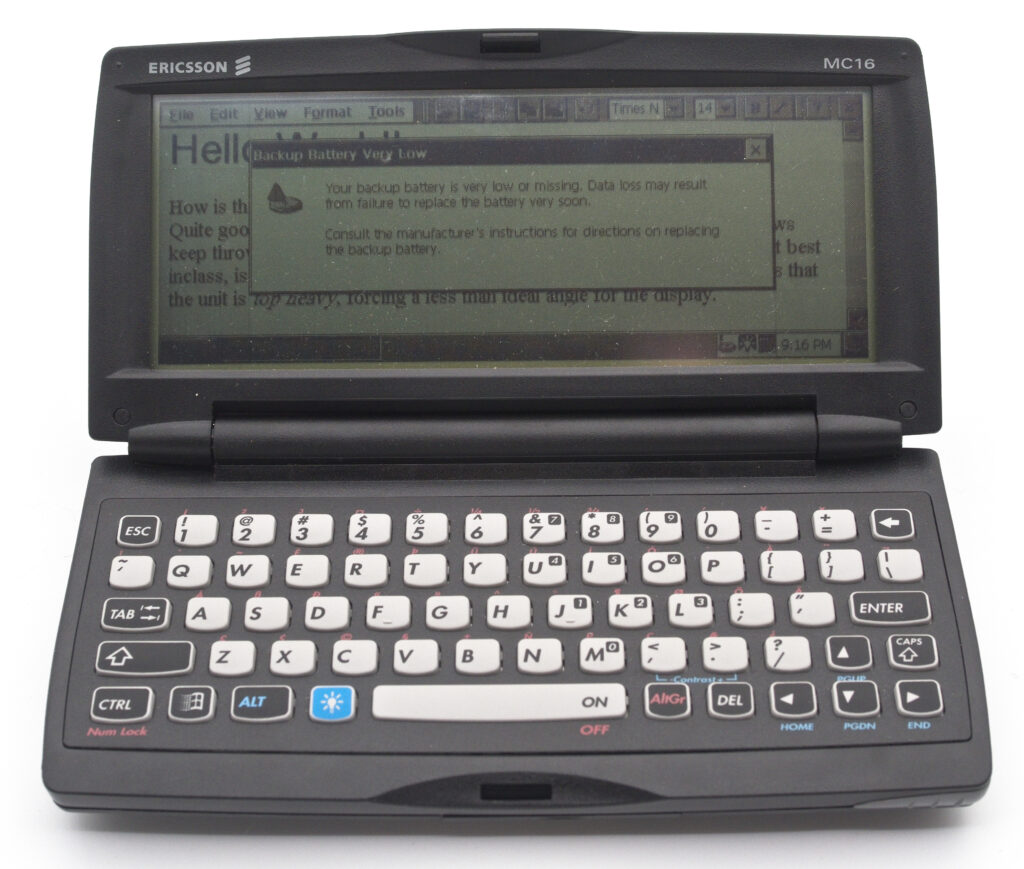
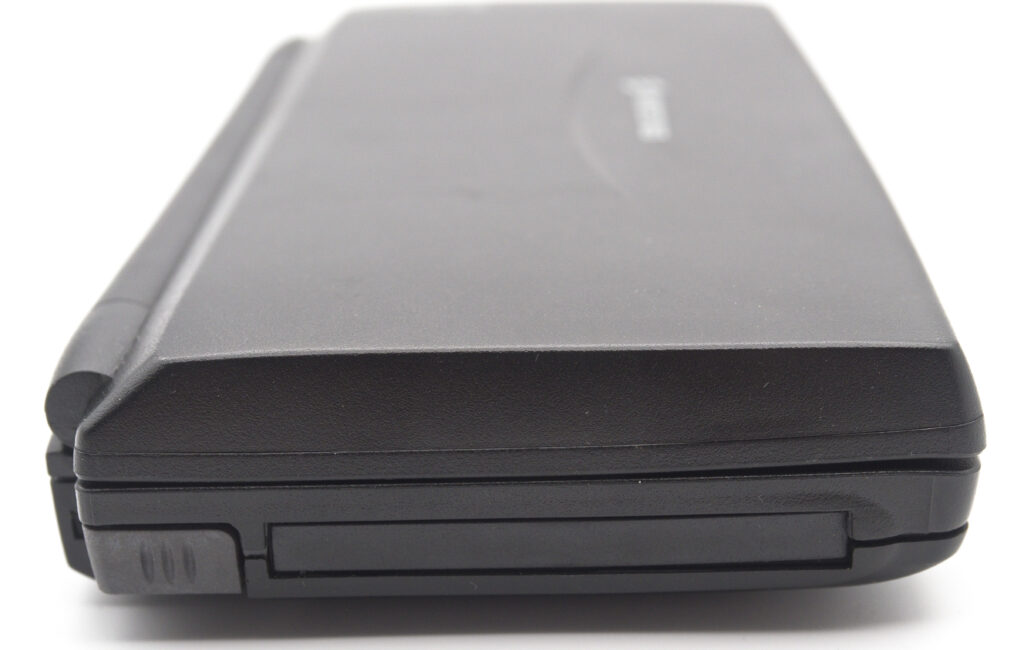
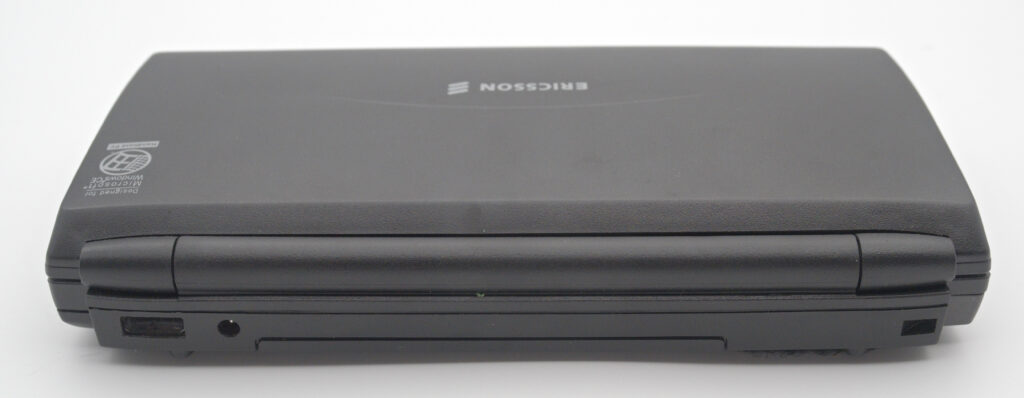
The unit features one slot for storage expansion via CompactFlash (CF) and one PC Card (PCMCIA) slot. While the ROM is accessible and can be replaced, no official consumer upgrades were offered for this model. The unit is powered by two AA batteries, with a CR2032 coin cell for memory retention.
Software and Windows CE 2.0
The most significant change was the inclusion of Microsoft Windows CE 2.0 (H/PC Edition). While the 1.0 release often felt like an unpolished beta, version 2.0 arrived as a stable and mature product. The interface was redesigned to mirror the desktop experience of Windows 95, featuring cascading menus and a proper Start menu.
Using ActiveSync, users could synchronize information between the new Pocket Outlook on the MC16 and the full Outlook application on a PC. However, the biggest milestone was Pocket Internet Explorer, allowing users to browse the web for the first time on a handheld device.
Ericsson Integration
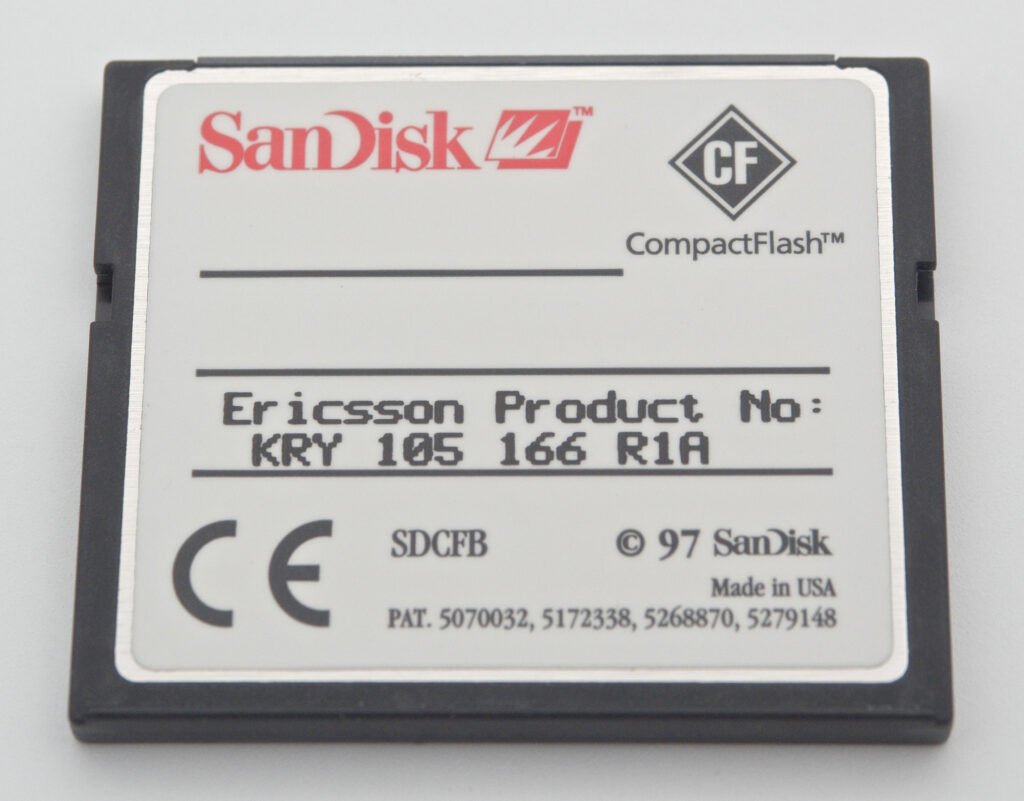
Ericsson’s specific additions to the software were the applications “My Ericsson Phone” and “Ericsson Mobile Internet”. Unlike the core OS, these were delivered on a CF card rather than being pre-installed in the ROM. These tools allowed the user to:
- Manage phonebook contacts and send SMS messages directly from the PDA.
- Dial contacts from the PDA through the connected phone.
- Use the phone as a modem (via serial cable or Infrared/IrDA) to access the internet and e-mail.
Communications
The MC16 features a proprietary serial connector for RS-232C communications (supporting speeds up to 56K) and a built-in IrDA-compatible infrared port. Through the PC Card slot, the device could also support landline modems, Ethernet, or early 802.11 wireless LAN cards.
As a former Ericsson employee, I have used the company’s entire lineage of PDAs and smartphones. From a historical perspective, the MC16 is a fascinating artifact. It represents a specific era before the Sony Ericsson merger, where Ericsson transitioned from rebranding hardware from partners like HP and Psion to eventually creating their own bespoke smartphone offerings. The MC16 represents those early, cautious steps into mobile data—a limited commercial success, but a vital learning experience for Ericsson at the time.
References
Detailed specifications from phonedb