
Psion Series 3 – if only all Personal Computers were this big!
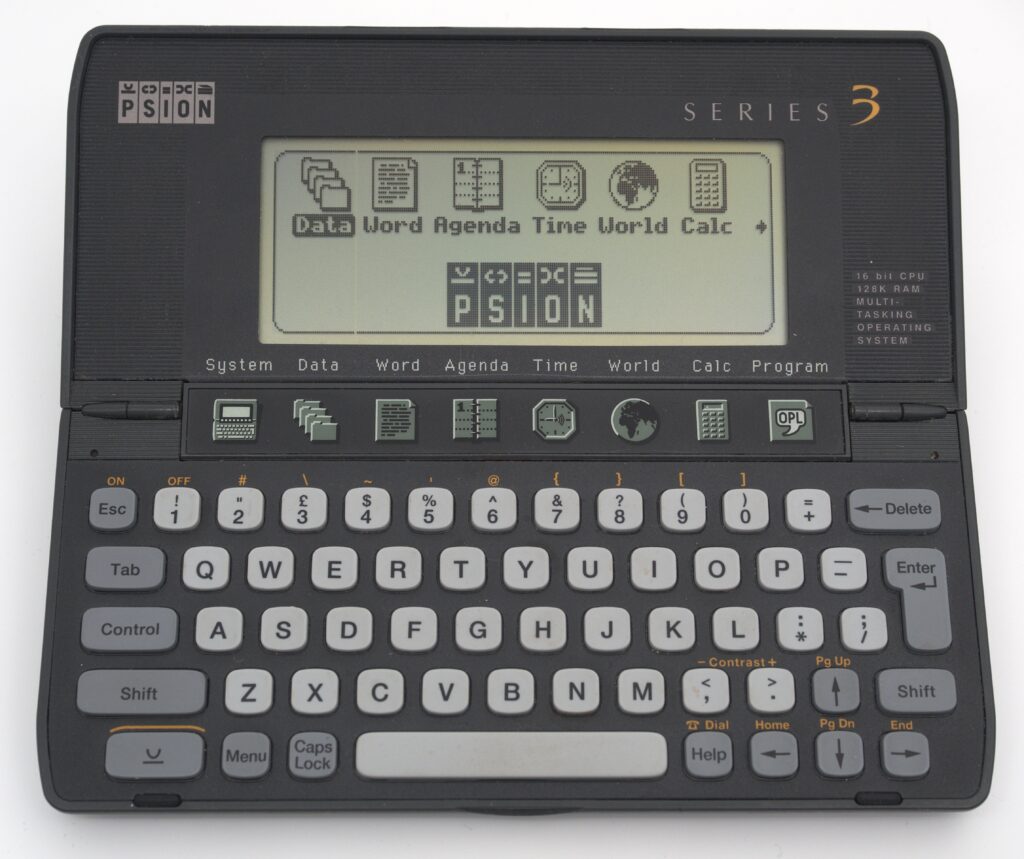
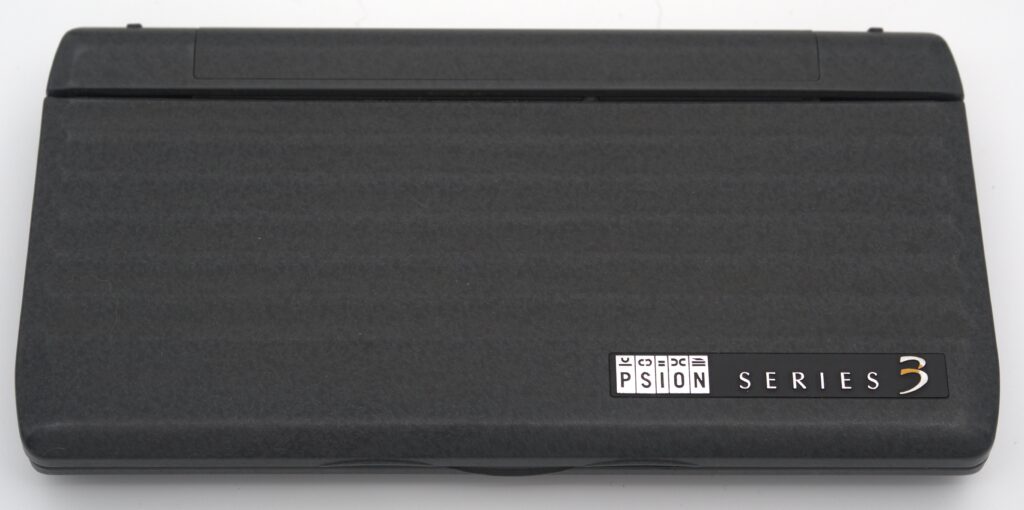
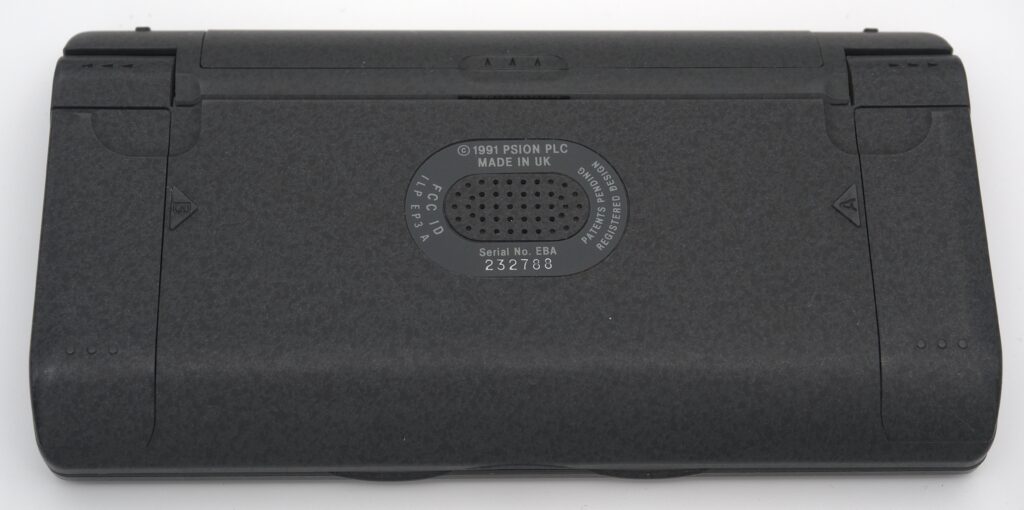
Quick facts
- CPU:
- NEC V30H@4,7MHz (8086 compatible CMOS)
- RAM (KB):
- 128
- Storage (MB):
- -
- Display:
- 240×80 pixel monochrome
- Operating system:
- Epoc16 (SIBO)
- Year introduced:
- 1991
- Power source:
- 2 x AA batteries and CR1620 for backup
- Connectivity:
- Serial (RS232C) via Docking station
- Dimensions (mm):
- 165x85x22
- Weight (g):
- 265
- Built-in apps:
- Data, Word, Agenda, Time, World, Calc, Program
- Input method:
- Keyboard
Sales pitch from when it was new
We have this notion that a personal computer should be personal. Powerful. And pocketable. Our new series 3 is a whisker over 6″ x 3″ x 3/4″. Yet it packs a graphic windows operating system and user interface. 16-bit processing. Pre-emptive Multitasking. A fully featured Word Processor (file compatible with Microsoft Word). An extensive database. Comprehensive diary and time management facilities. And a host of other useful utilities. Like automatic telephone dialling. It uses MS-DOS file formats. It communicates with PCs and Macs. And it will drive dot-matrix, bubble-jet and laser printers. It has two Solid State Disk slots for up to 4 MBytes of extra storage at a time. And for additional software. And as if all that weren’t enough, its very powerful built-in programming language allows full control of windows, menus, dialogs and icons, for programming your own applications. You will gather this is no pruned down compromise of a desktop. It’s a fully fledged computer, designed to get the best from the hardware. For your personal benefit. The Psion Series 3. From just under £200 (including VAT), even the price fits the pocket.
Overview
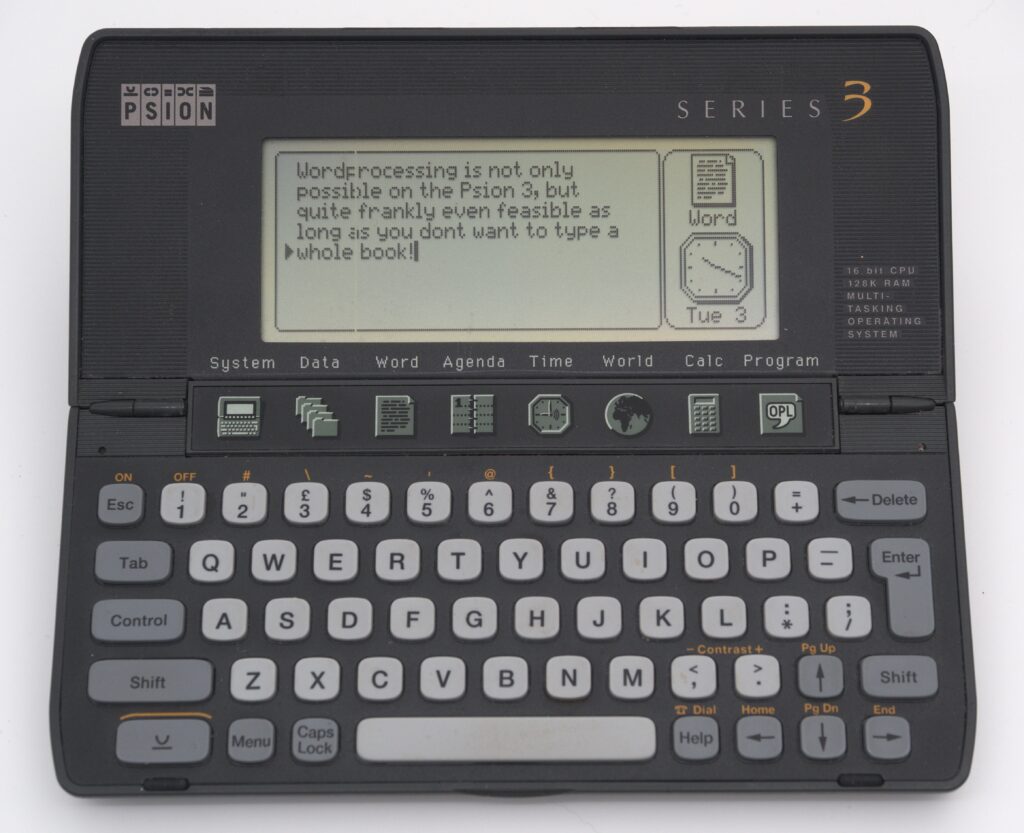
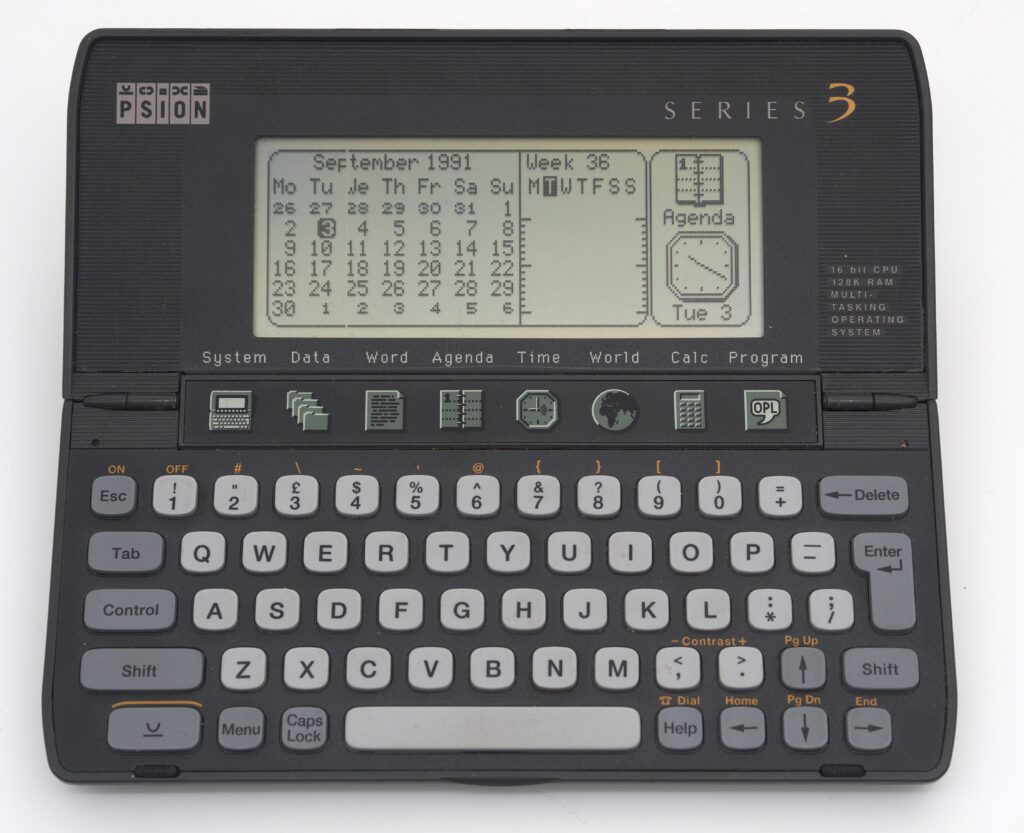
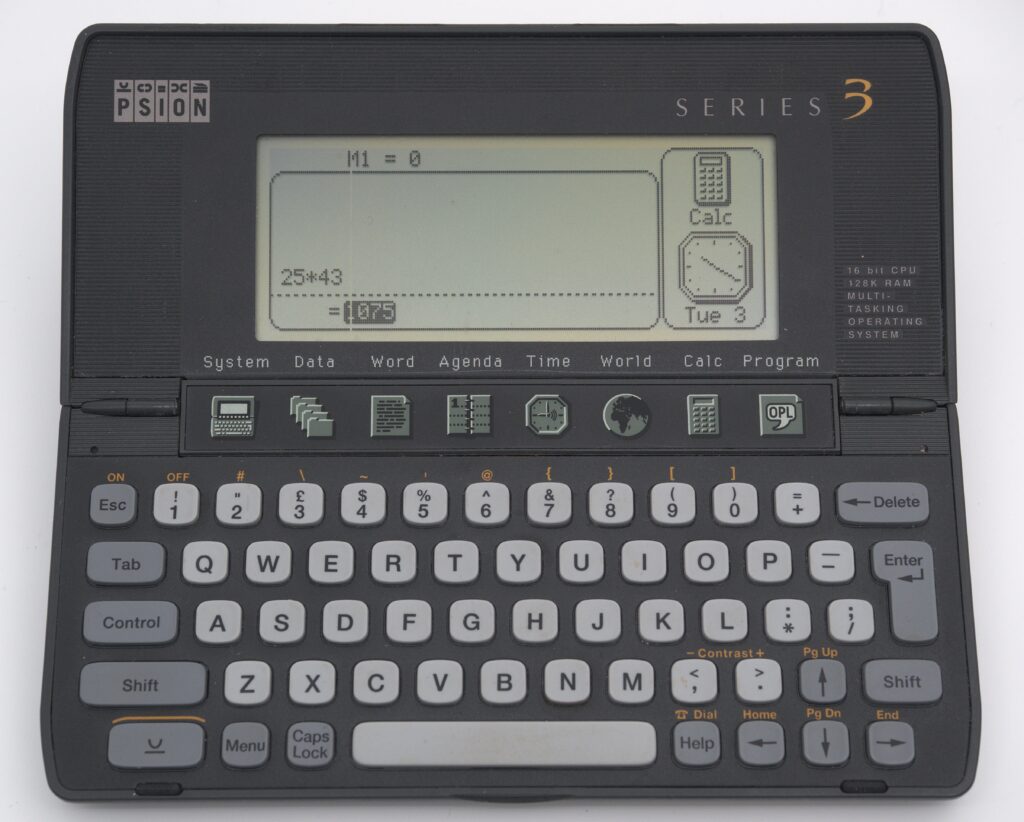
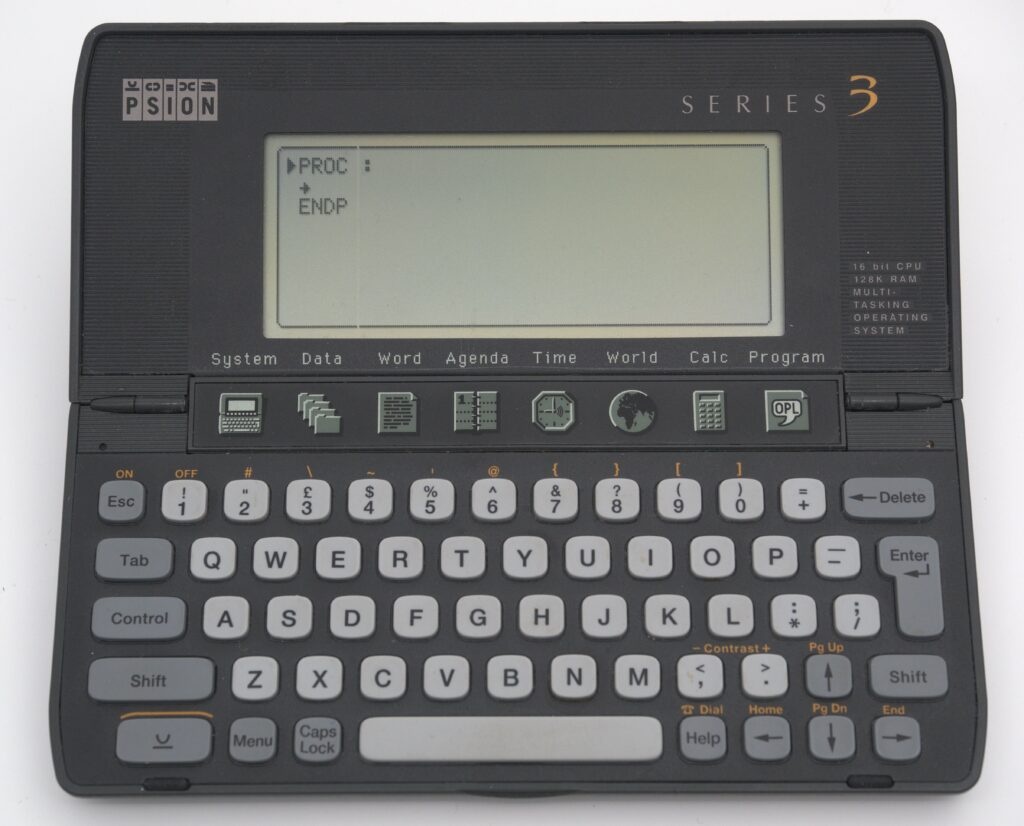
Psion, a company based in the UK, were one of the pioneers in handheld computing. The original Organizer only had one line of alphanumerical characters, and the Organizer 2 had two. It was with the Psion 3 that Psion got its first PDA with a true graphical screen. True, it was not huge, but in 1991, no competitor had bigger screens either. The readability of this little screen is very good, in part due to not being forced to show more than one level of grey, and because it does not have touch interface, and hence need not have a digitizer that would have reduced the contrast further.
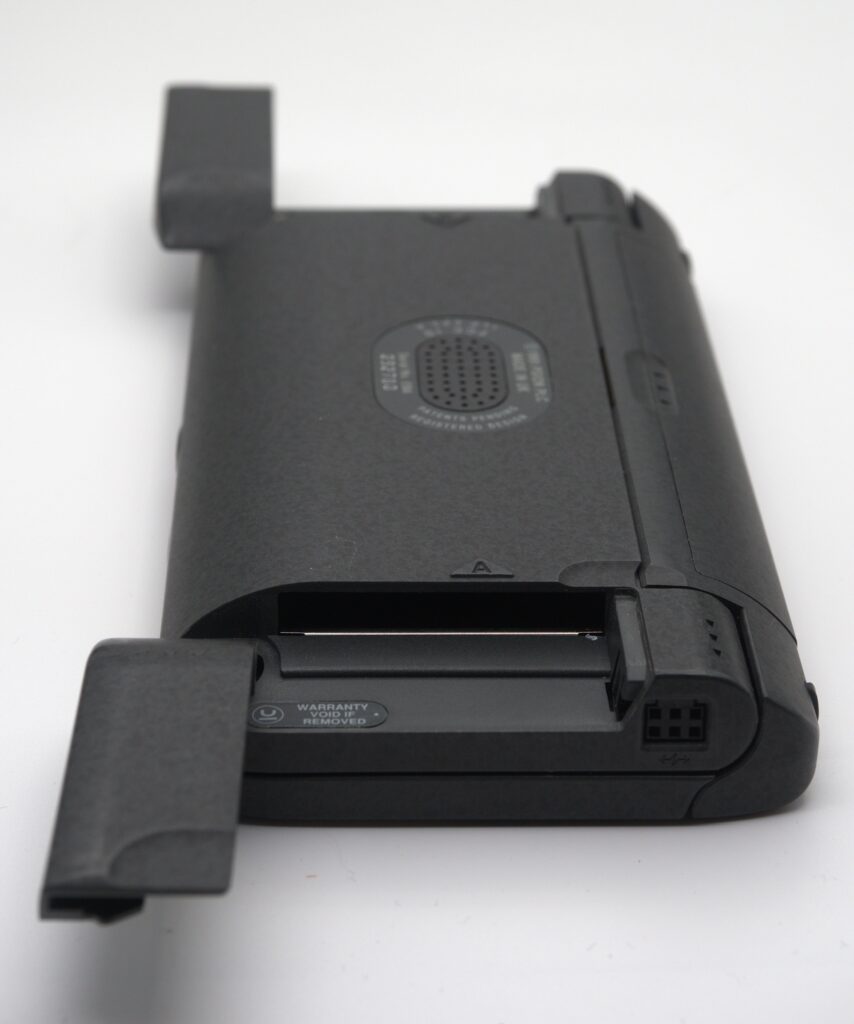
Despite fairly limited memory, Psion managed to cram a lot of useful applications into this little marvel. The Word-processor for instance was highly functional and supported highlighting and boldfacing of text for instance. There was even a Spreadsheet application, but I think this was only included in the 256KB model. Mine is the entry-level 128KB model which was sold for just under 200 GBP (the 256KB model was 50 pounds more expensive). Not happy with the built-in applications? You could purchase applications on expansion cards. This PDA even have two expansion slots! Out of memory? One of the expansion slots could be used for extra storage.
A dock was sold separately. Using it, you could connect the Psion 3 to a PC running PsiWin software. PsiWin would let you backup content that you had created on your PDA as well as synchronize Agenda and Database-items with the PC.
Psion 3 was the first in a successful series of small keyboard-entry PDAs from Psion. It was later followed by Psion 3a that featured a larger screen, faster processor and more memory, 3c and 3mx that further expanded its capabilities. Collectively they sold 1.5 million units, a high number compared to competitors of the time. Series 3 eventually gave way to Series 5 with even more features.
Personal note
I consider the Psion range of clamshell PDAs from the Series 3 to the Series 5mx to be the best small computers ever built. The hardware is sturdy, looks fantastic even 25 years later, and the software was not scaled-down versions of PC software, they were purpose-built applications that took advantage of the features available in the hardware.
The Psion Series 3 represented something new: a computer that you could carry in your shirt pocket and that would run for weeks on a pair of standard AA batteries.
The presence of a usable keyboard made it a genuinely practical tool for writing short texts. This was also the first PDA brand I was personally exposed to — one of my university teachers used a Series 3a.
References
Wikipedia page on Psion series 3
More specifics on model 3 from Computing History site